You liked my last post with bee portraits, so here are a few more – enjoy!
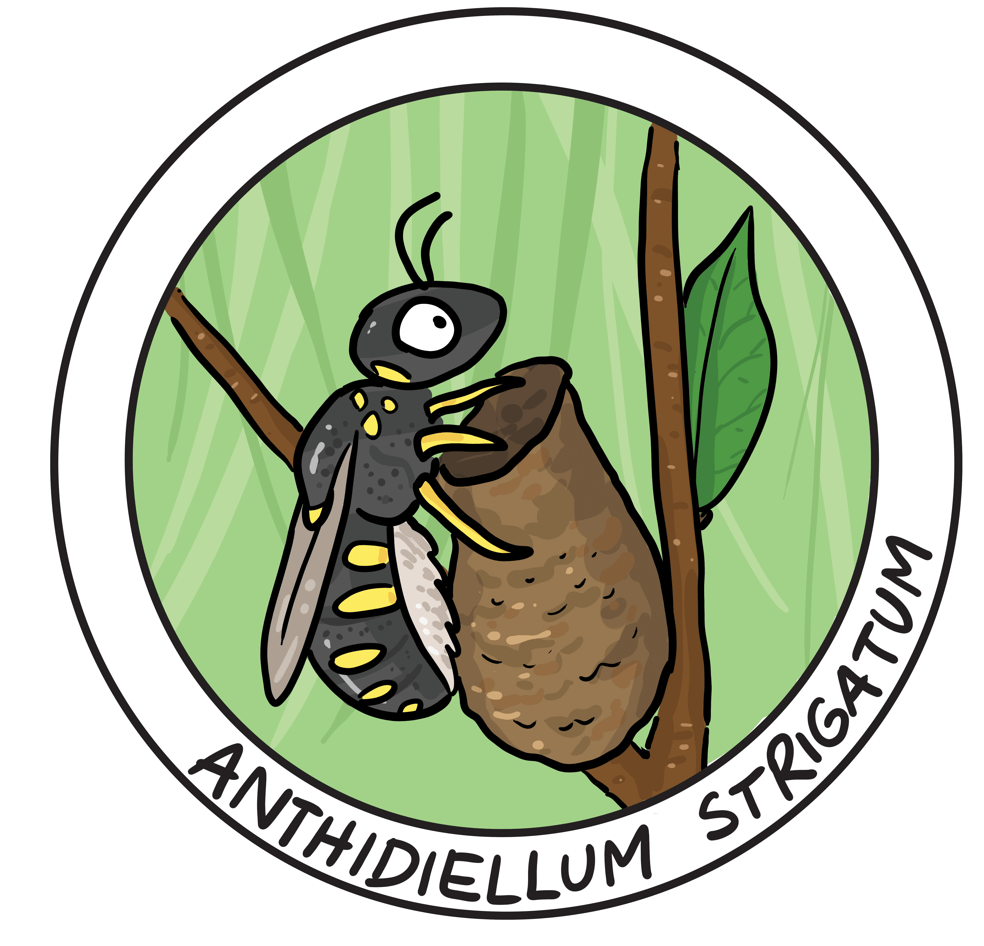
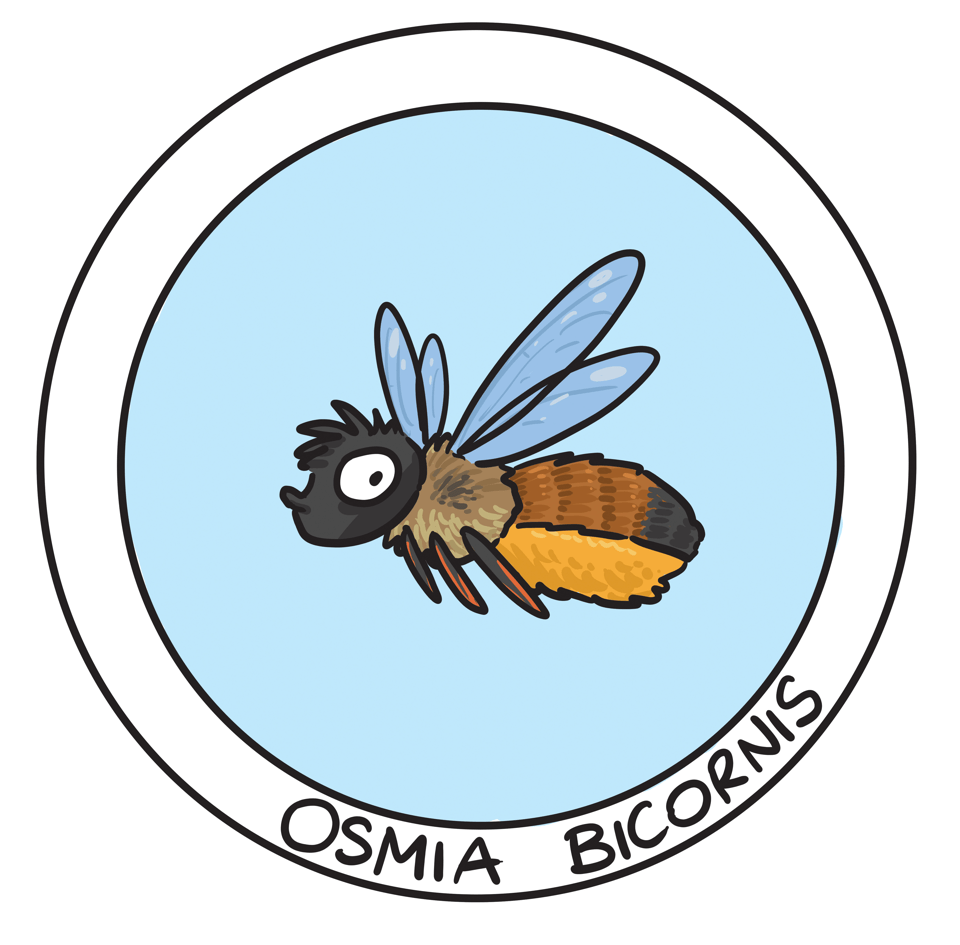
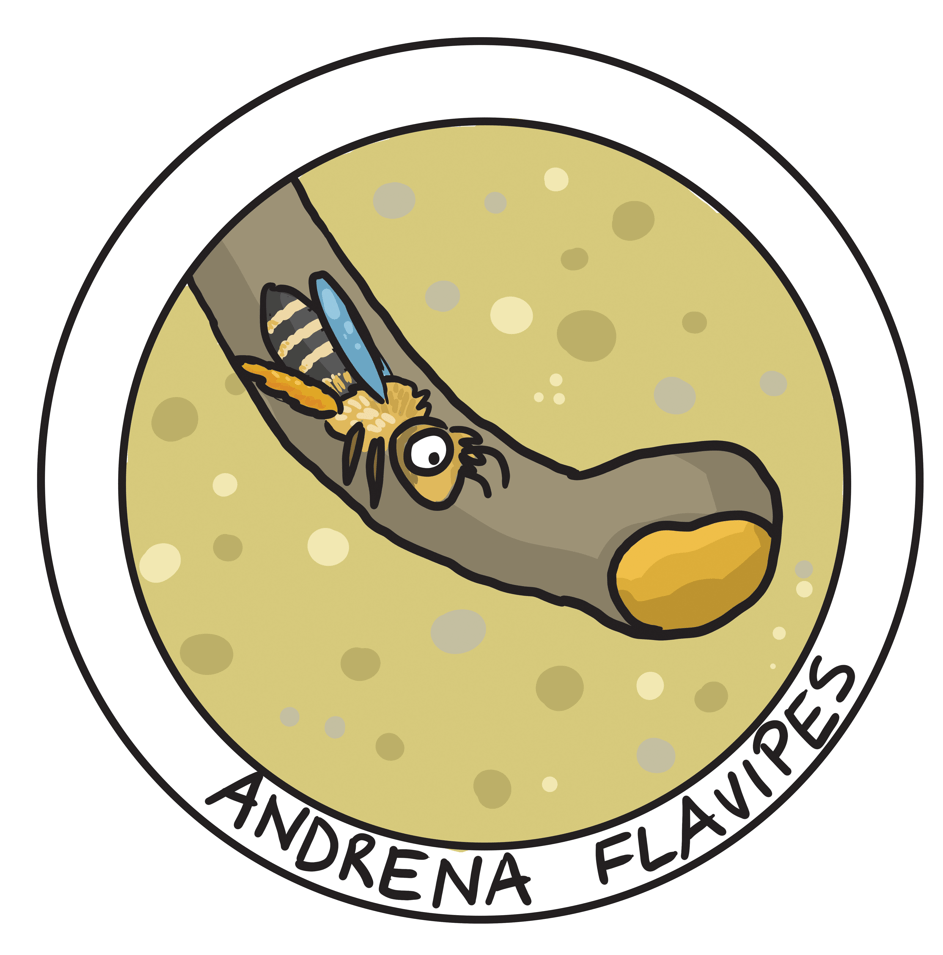
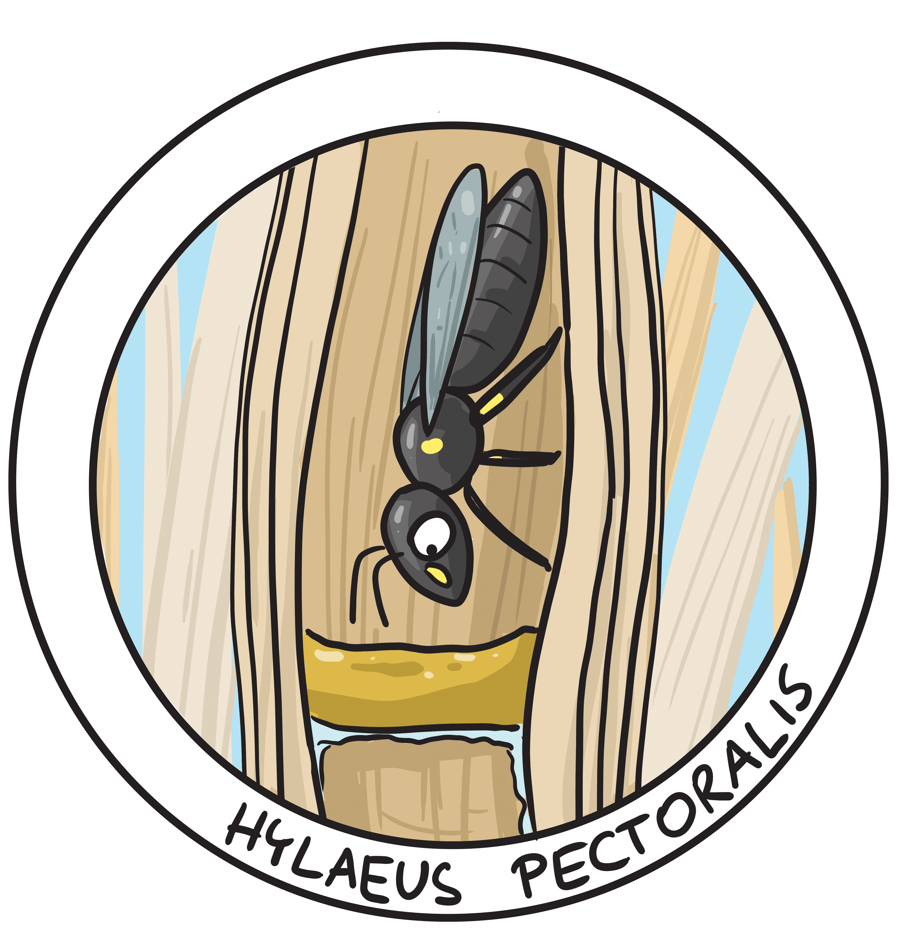
I’d like to show you what I drew lately. It’s not a comic but there are cartoon bees on it. Let me know if you’d like to see more such drawings. I have some on my computer, and plans for drawing more in the future.
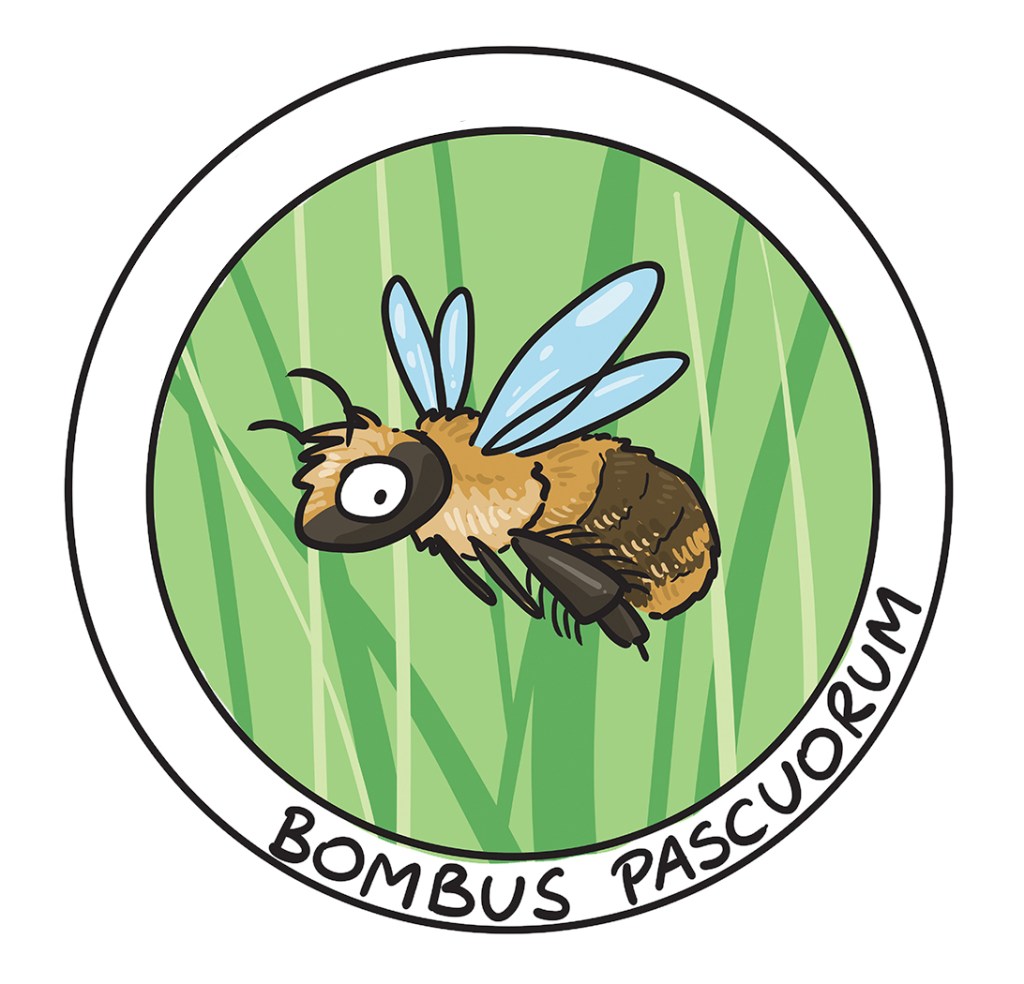
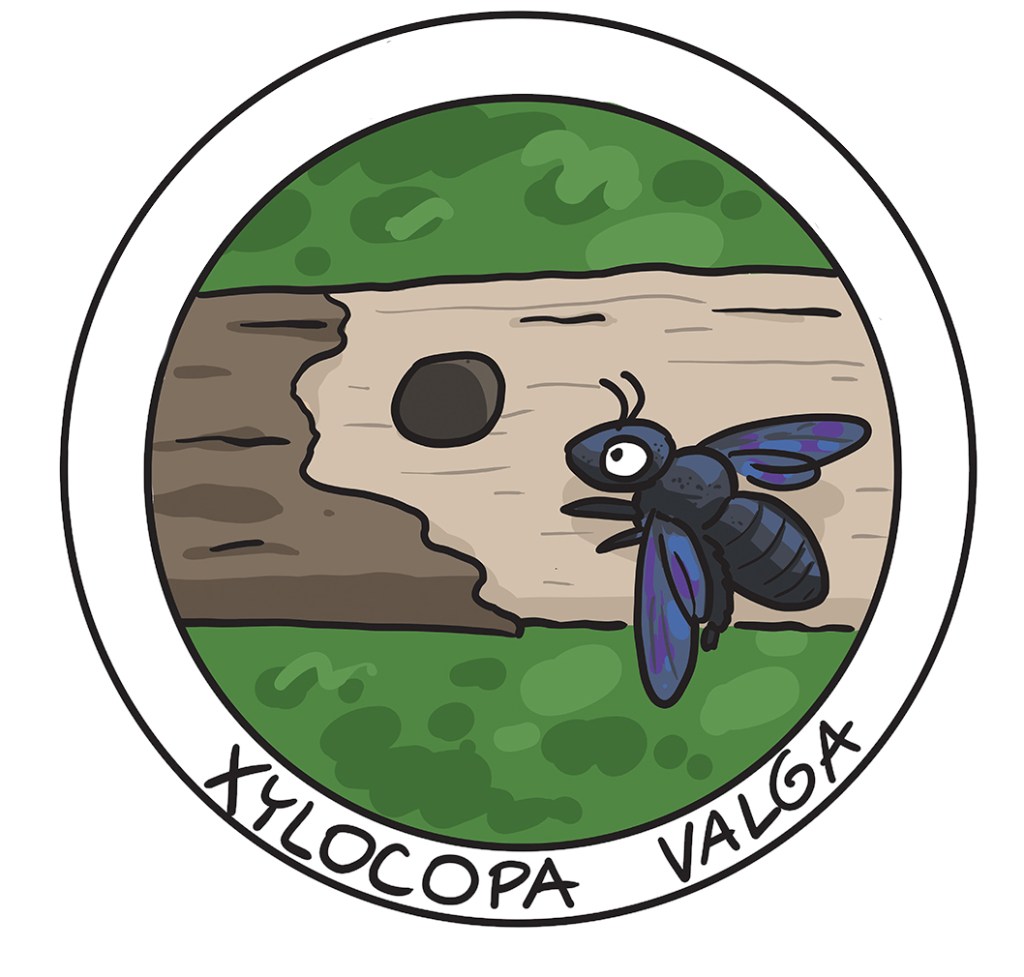
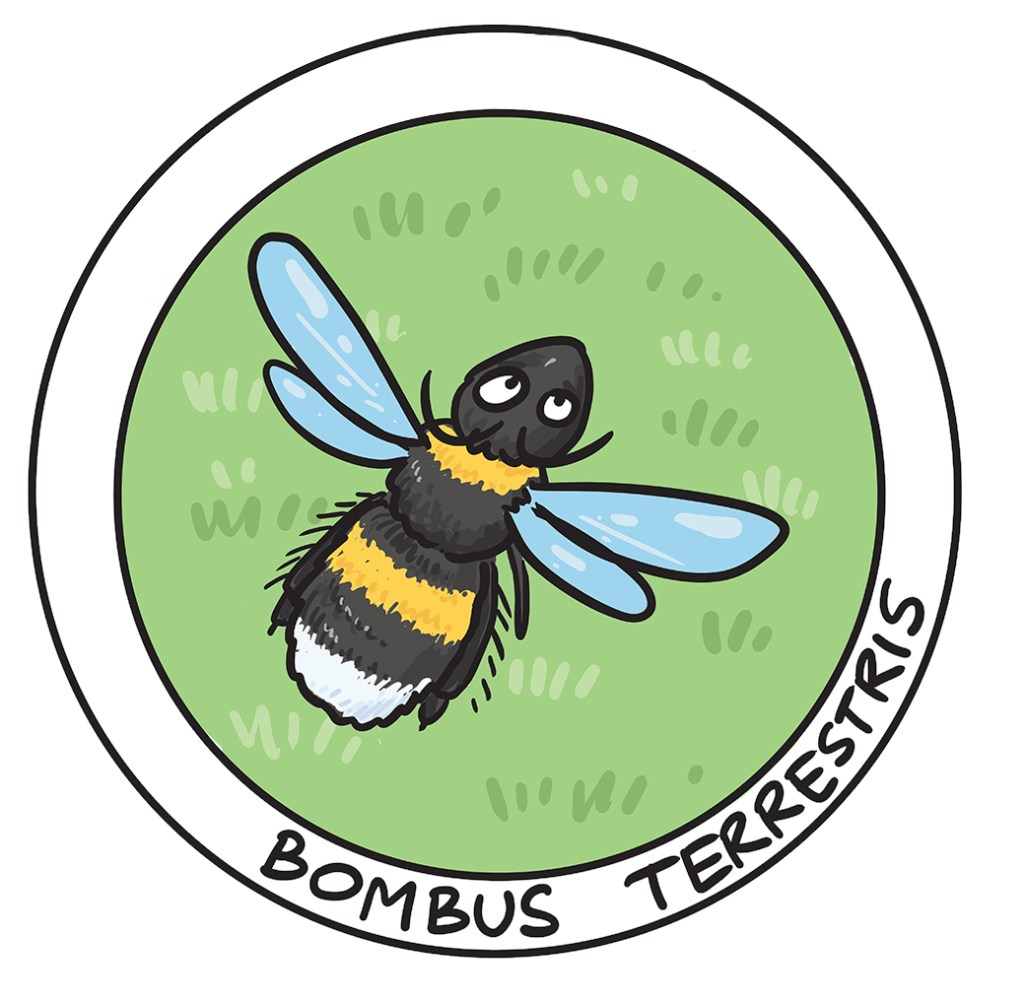
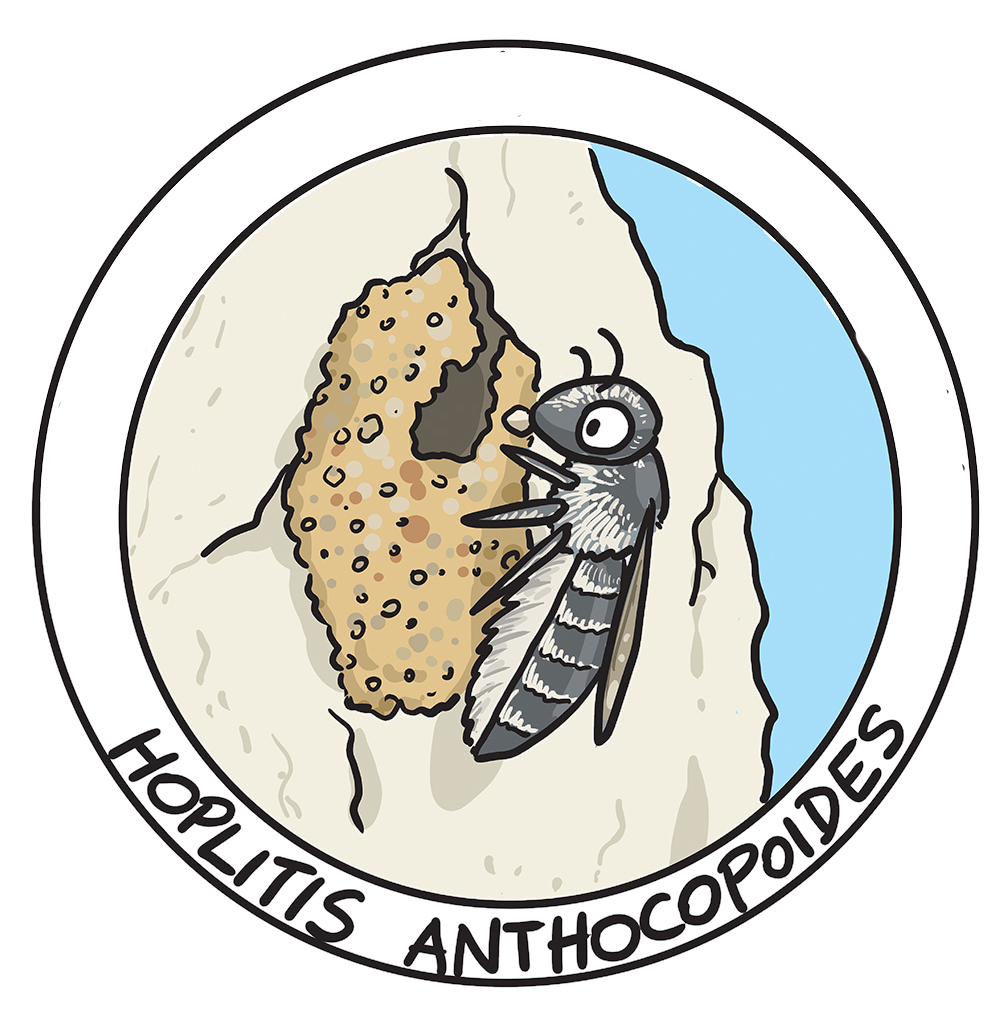
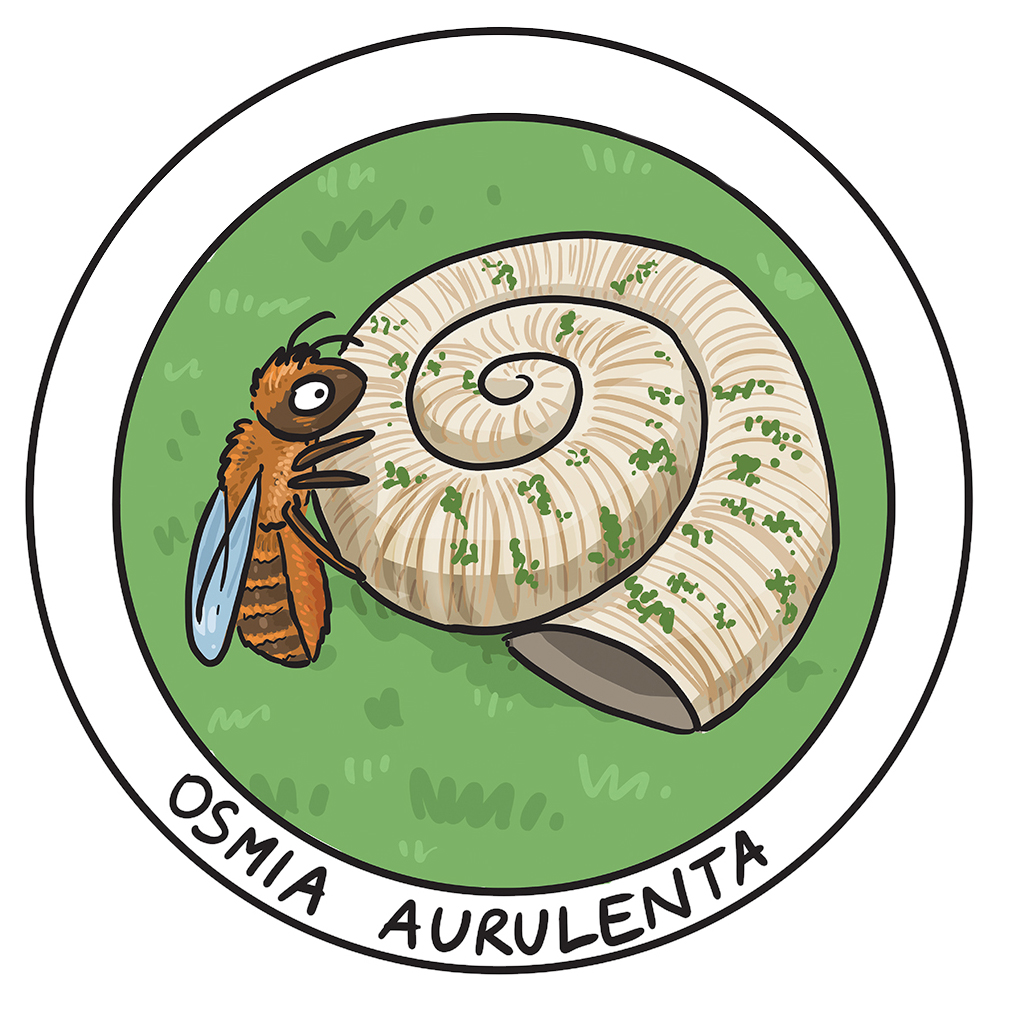
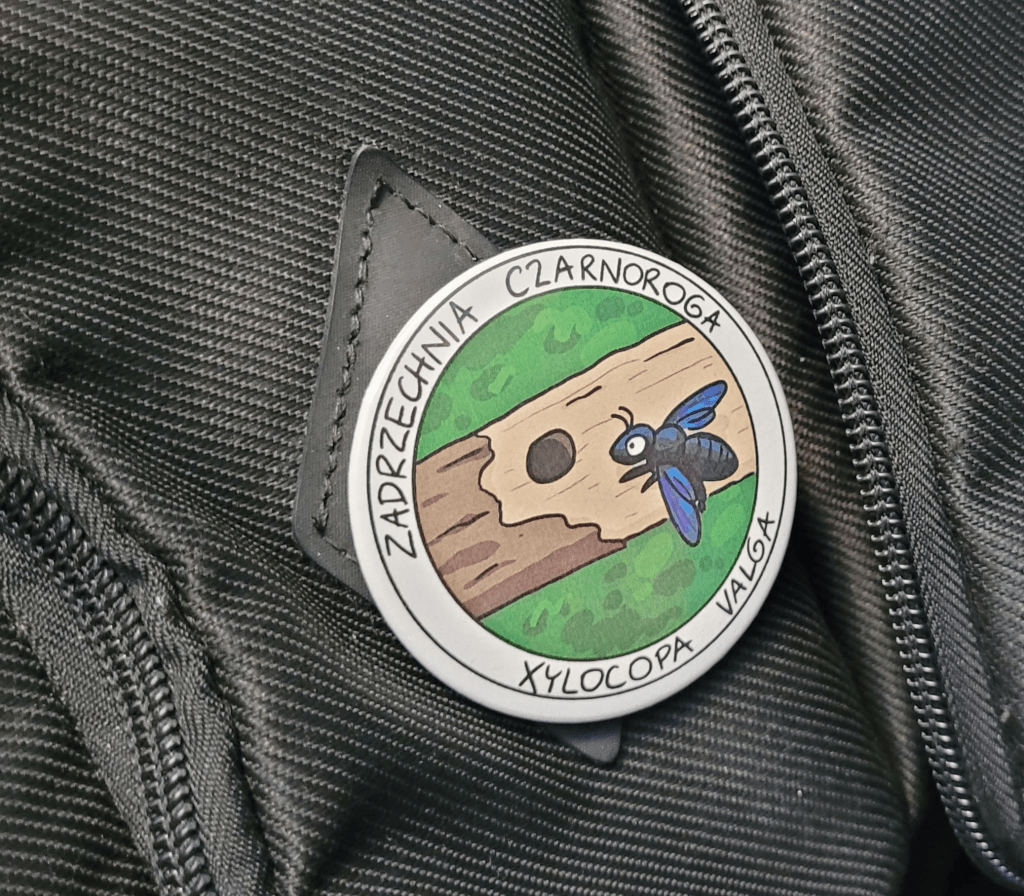
A friend of mine has a button pin machine and I got a pin with the large carpenter bee. It goes with me everywhere on my backpack. There is a Polish common name, in addition to the scientific one.
Do you know those silly quizzes in social media? I made one for you, and it’s about dating. Let me know if you need more illustrations in this series.
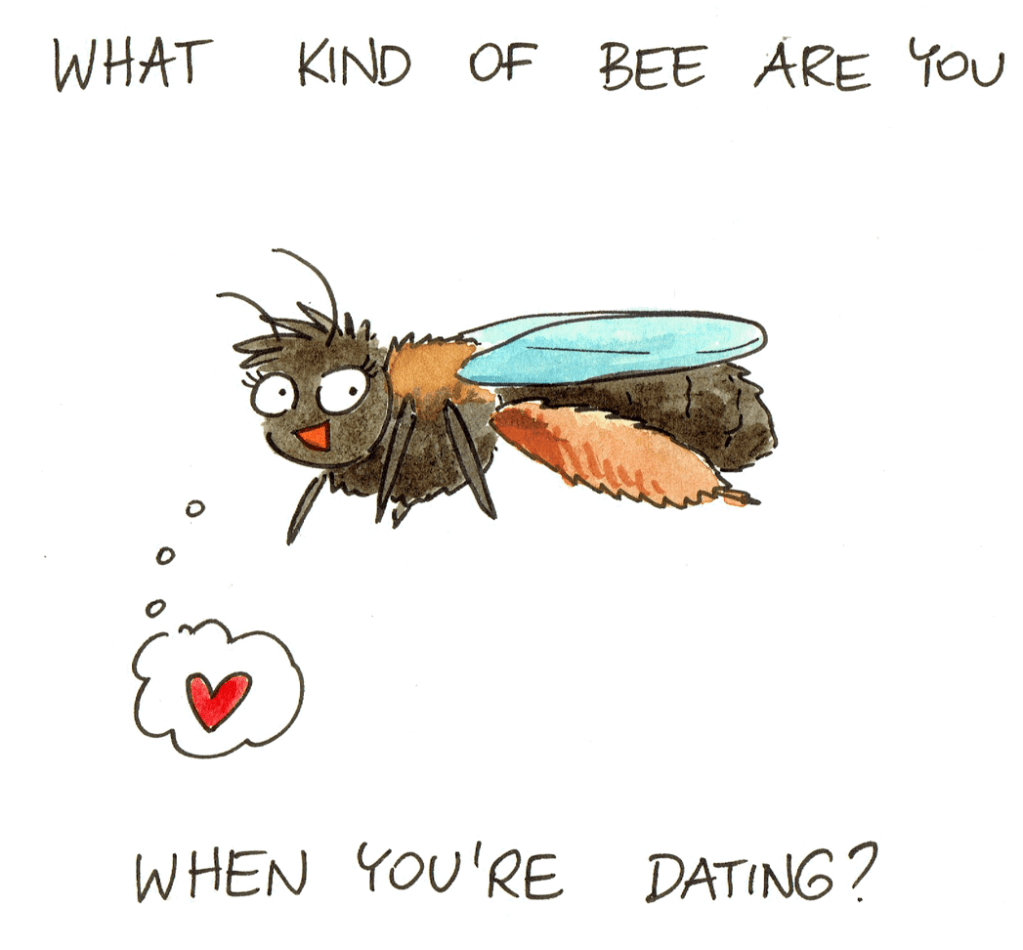
Let’s go:
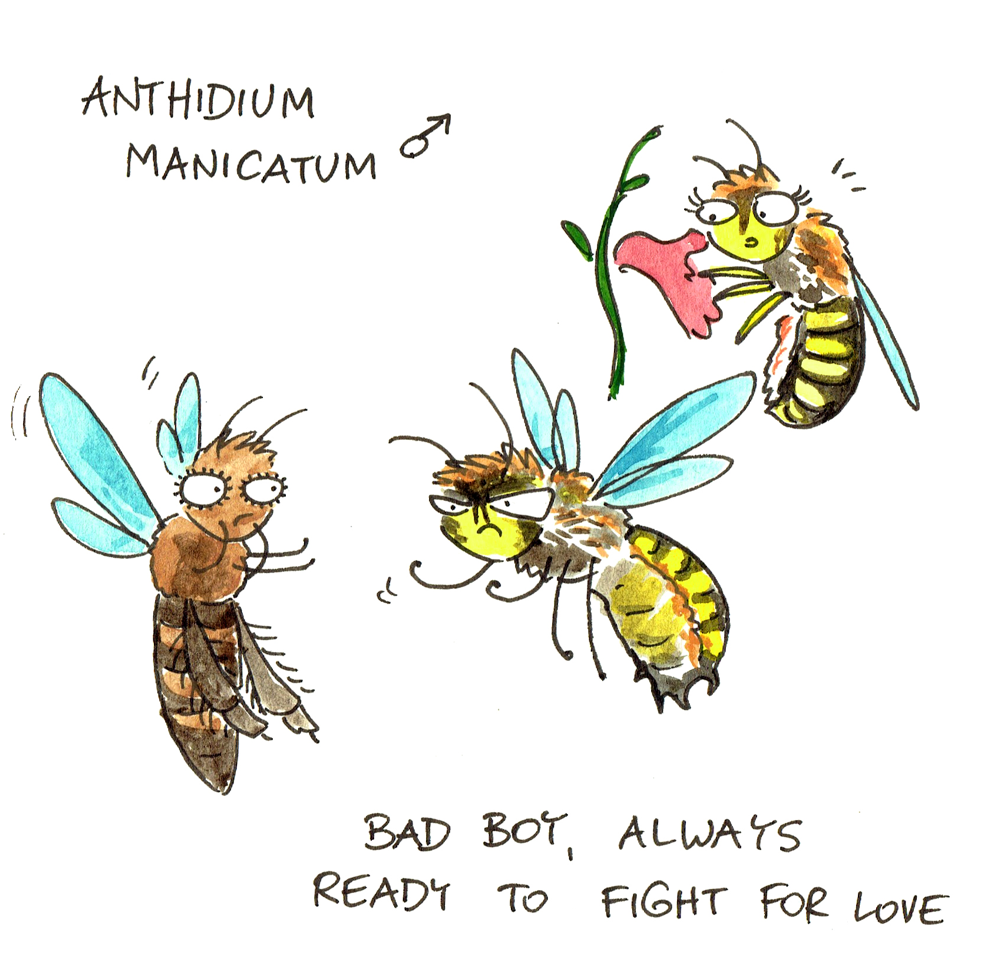
Do you know these cute little fluffy bees who mercilessly bully all other bees coming into their territory? The European wool carder bee (Anthidium manicatum) males are larger that females and have sharp mandibles and spines on the abdomen – all that helps them fight. Nobody stays on their territory for long – except for the females of their own species.
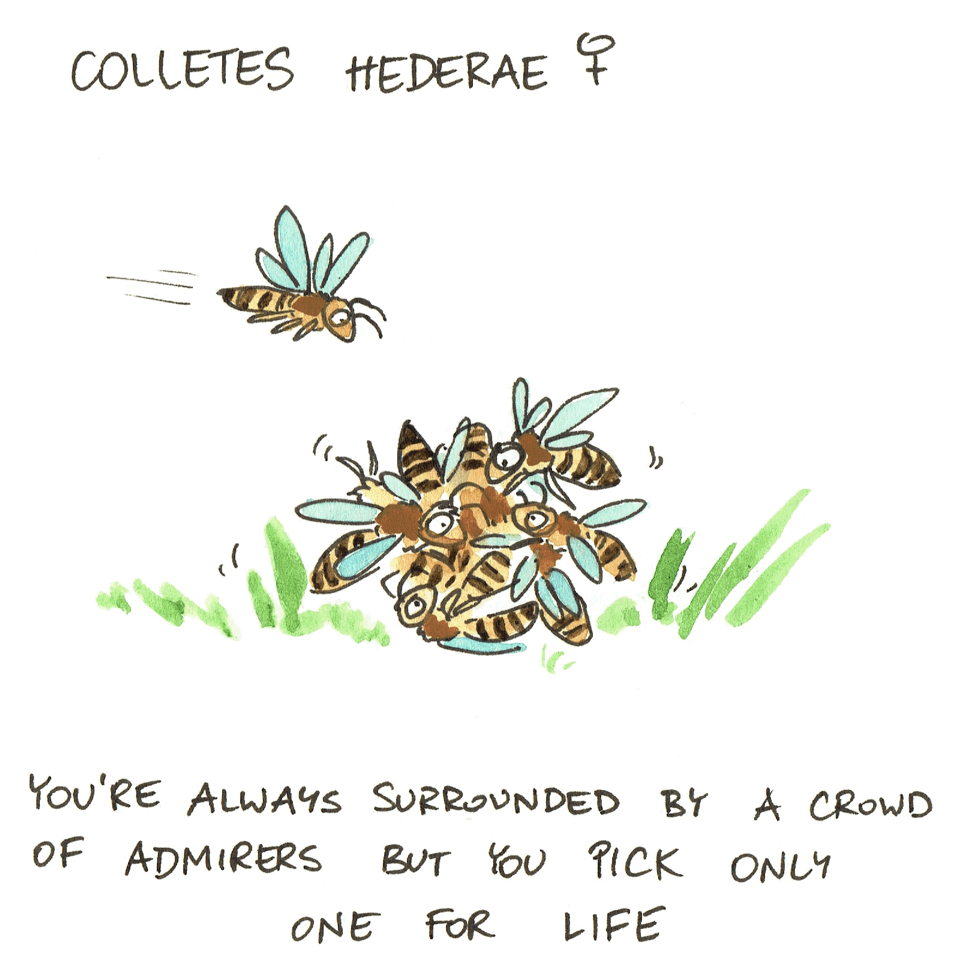
When a female of the ivy bee (Colletes hederae) comes out of her natal nest, she is immediately surrounded by the crowd of males ready to mate. In all this chaos, she somehow manages to mate with only one male. In solitary bees, mating balls are a more common phenomenon, as are females mating only once in a lifetime. I have three other cartoons about mating balls: here, here and here.
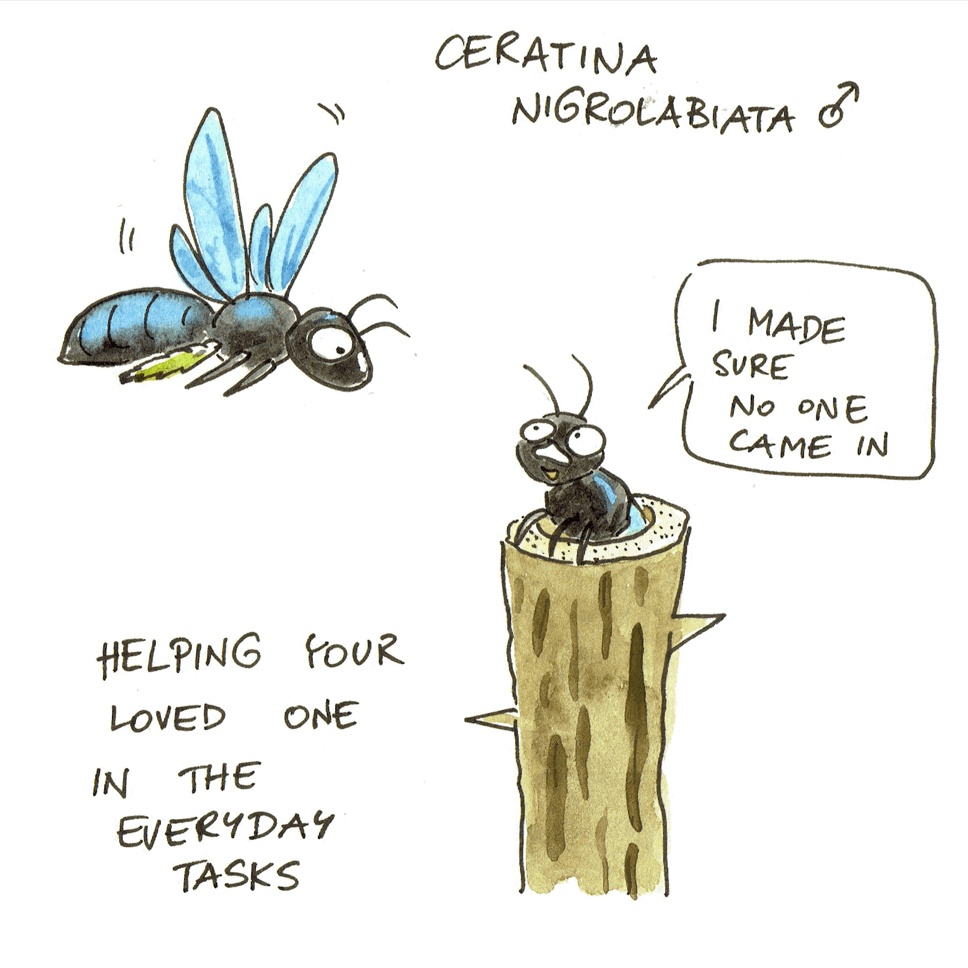
In bees, males don’t actively help in brood care – with some notable exceptions. Male of Ceratina nigrolabiata guards nest entrance in order to keep parasites off when the female is away collecting pollen. Cute, isn’t it? I had a cartoon about these bees here.
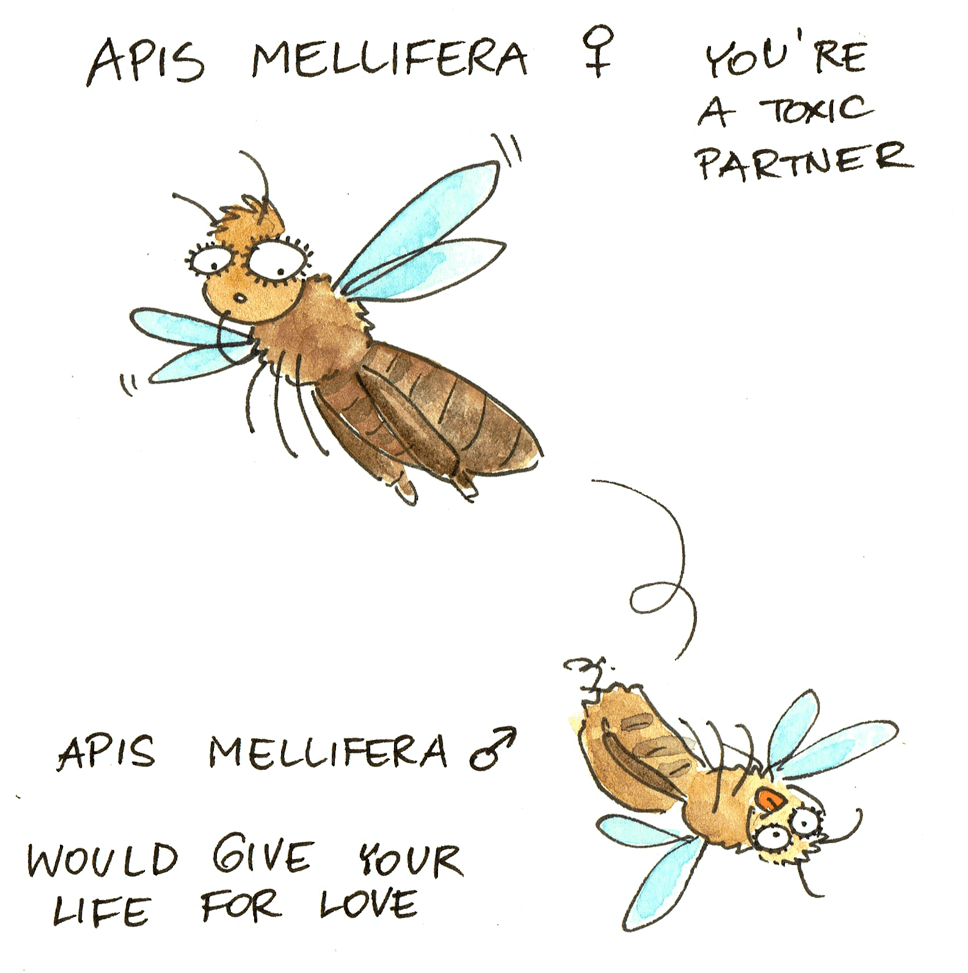
And the last are honeybees making a guest appearance on the Non-honey bees blog. I hope nobody identifies with them in their love life! It’s really, really creepy. Honeybee queen mates multiple times. Drones, on the other hand, die during mating – their genitalia explode and detach from their body, part of them remaining attached to the queen’s abdomen.
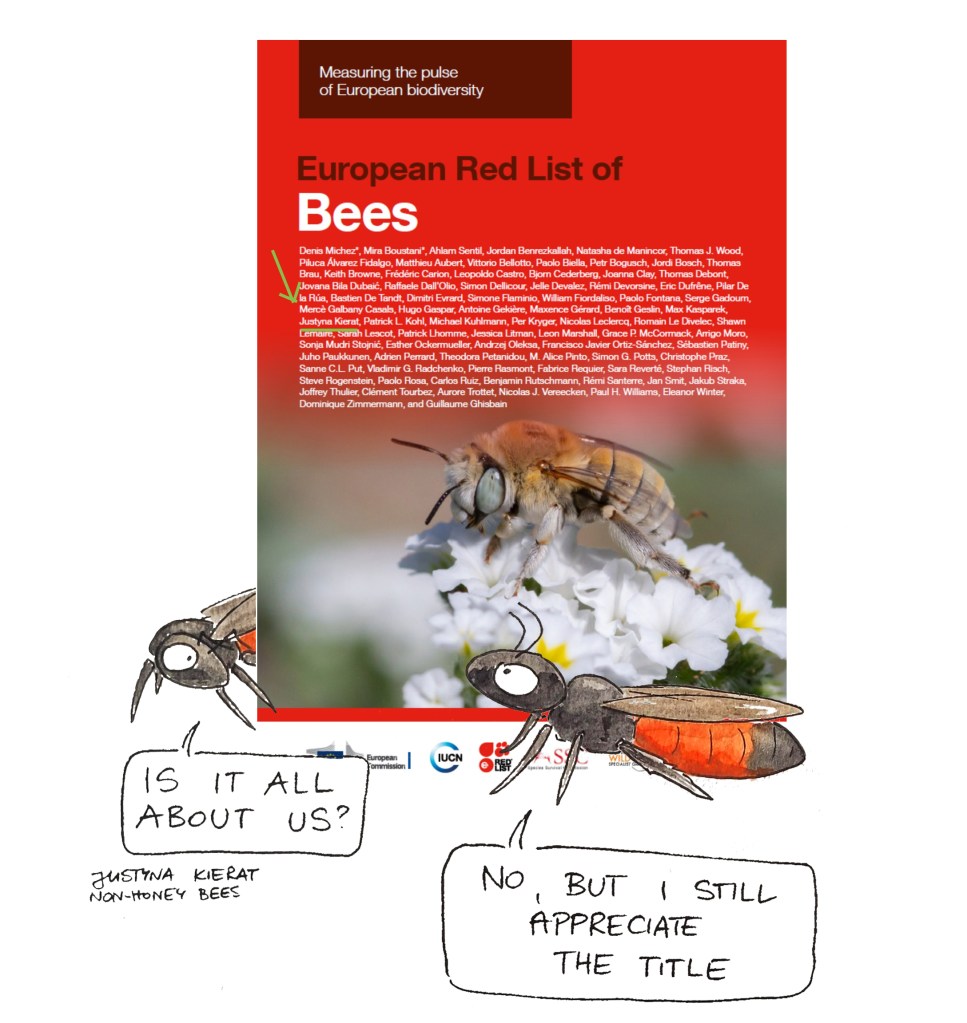
Just a few weeks ago a new edition of the Red List of Bees of Europe was published by IUCN. I was one of the co-authors. It replaces the Red List published in 2014. In this edition, more species could be moved from the DD (data deficient) category, which is assigned when we don’t have enough information to say anything about their status, to the more informative categories: LC (least concern), NT (near threatened), VU (vulnerable), EN (endangered), or CR (critically endangered).
The Red List can be downloaded here, and if you want to look for details of a given species, you can search for it on the IUCN page.
PS And the bees on the drawing are blood bees (genus Sphecodes). Most members of this genus have more or less red colouration.
Today I have a spring drawing for you. This is the common carder bumblebee (Bombus pascuorum), one of the most numerous bumblebees in the area where I live. It is by no means the easiest to identify, though. Its colouration is very variable and some colour forms are strikingly similar to other bumblebee species.
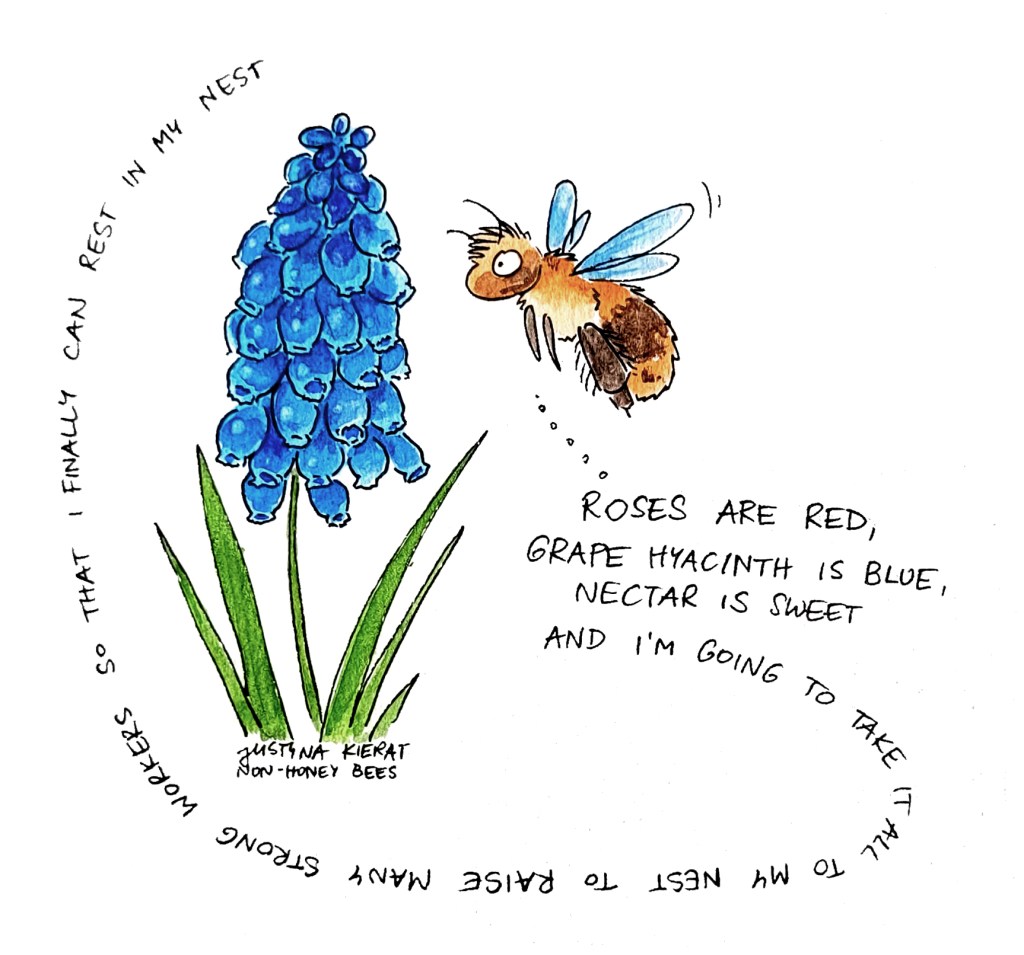
Bumblebees are said to have innate preference for blue colour. It means that a bumblebee that has never seen flowers before will be more attracted to blue ones. I don’t know how universal it is – I found research done only on a few species. What is interesting, there is some degree of individual variation in colour preference – not all bumblebees and all colonies of the same species like exactly the same colour.
The innate preference can be quickly modified after a young bumblebee starts foraging, and learns which flowers are most rewarding in her environment. Therefore, we can see bumblebees foraging on all colours of flowers (even on red ones – see my previous post!)
I recently ran a workshop for a group of schoolchildren. We talked about bees and drew them in a cartoon style. The kids had lots of questions, one of which really stuck in my mind. They wanted to know what colours bees could be. I was able to tell them that there are black, brown, red, white, yellow, orange, green and even blue bees. But what about pink? I can’t recall any pink bee species. Are there none, or I just don’t know them, or have forgotten about their existence? Please help me if you know the answer!

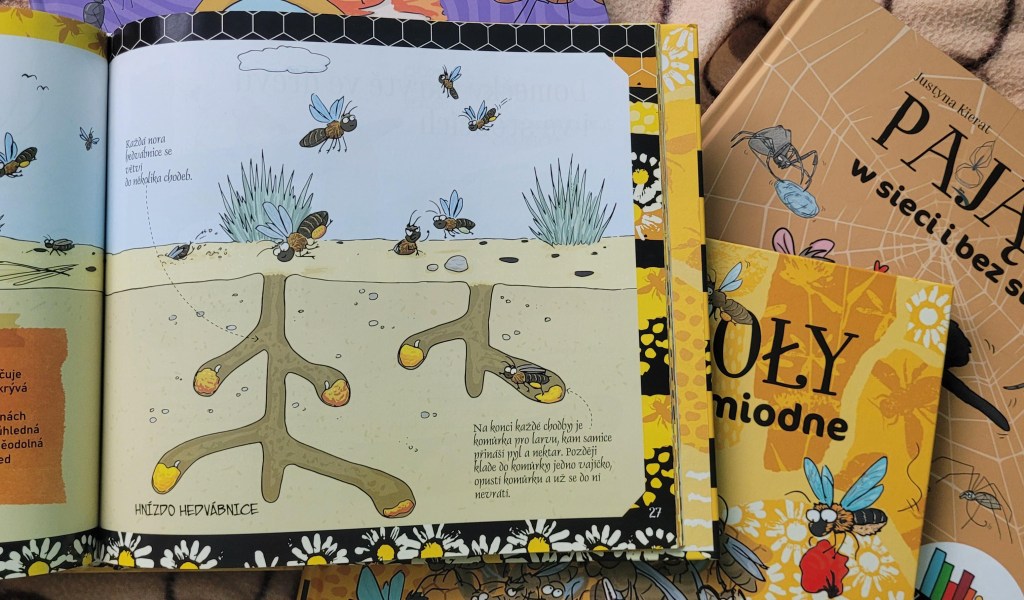
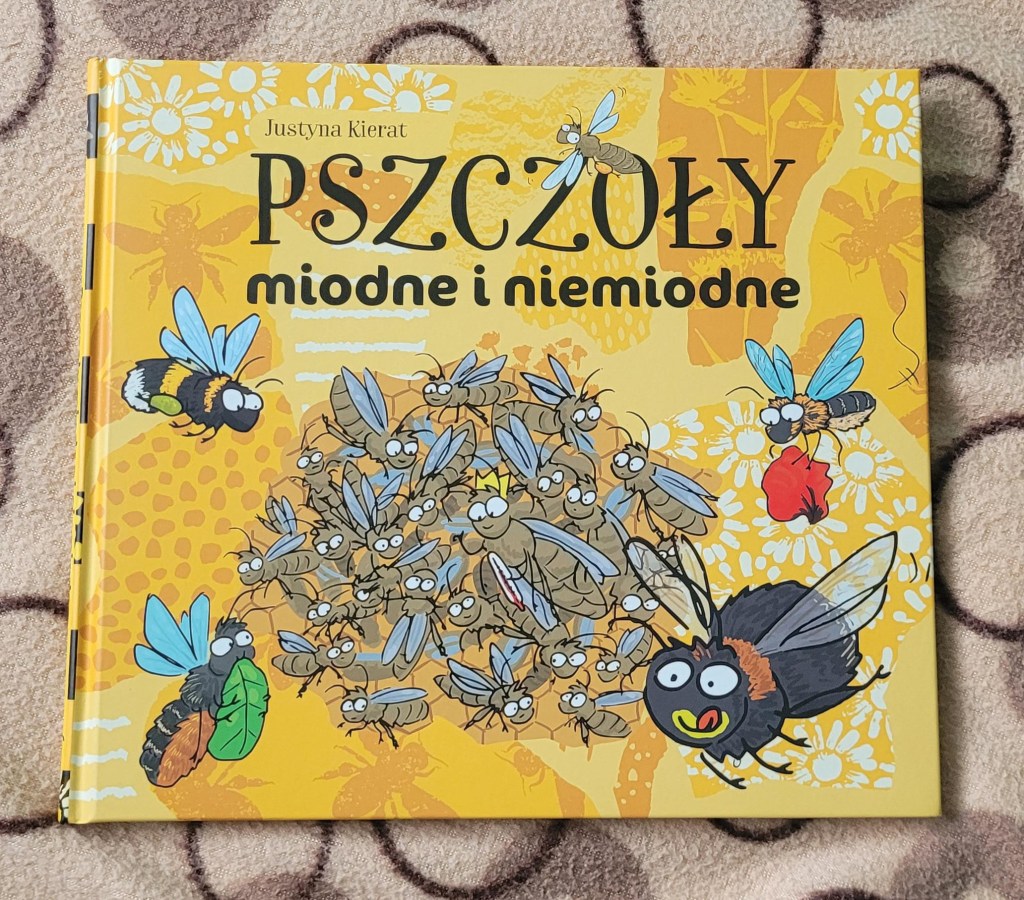
I’ve wanted to show you this for a long time. I’ve finally taken some good photos, so I can do it now. As you might know, I’m a biologist specialising in non-honey bees, an educator, and wildlife illustrator. The yellow books you can see in the photos are the result of combining these three things. The book is called “Honey- and Non-Honey Bees” (well, now you know where this page gets its name from:) ), and it presents the diversity of bee species and their lives. Although my cartoon drawings make it look like a children’s book, it’s not quite so – adults who are not yet familiar with bees can also enjoy it.
The book was originally published in Polish and was later translated into Czech and Slovak. I wish it could be published in more languages, but there’s not much I can do about that. However, if you know of any interested publishers, you can give them the contact details of the Polish publisher that owns the copyright to my book.
The violet and orange book are two more from the series that I wrote and illustrated: one about ants and another about spiders.


I just saw that my fanpage on Facebook has exceeded 1,000 followers – thank you!
The honeybee is unimpressed. Their colonies can have about 50,000 workers. By comparison, bumblebee colonies range from several dozen to around 500 individuals. But this fanpage is about non-honeybees, so we don’t care about the honeybee’s opinion.

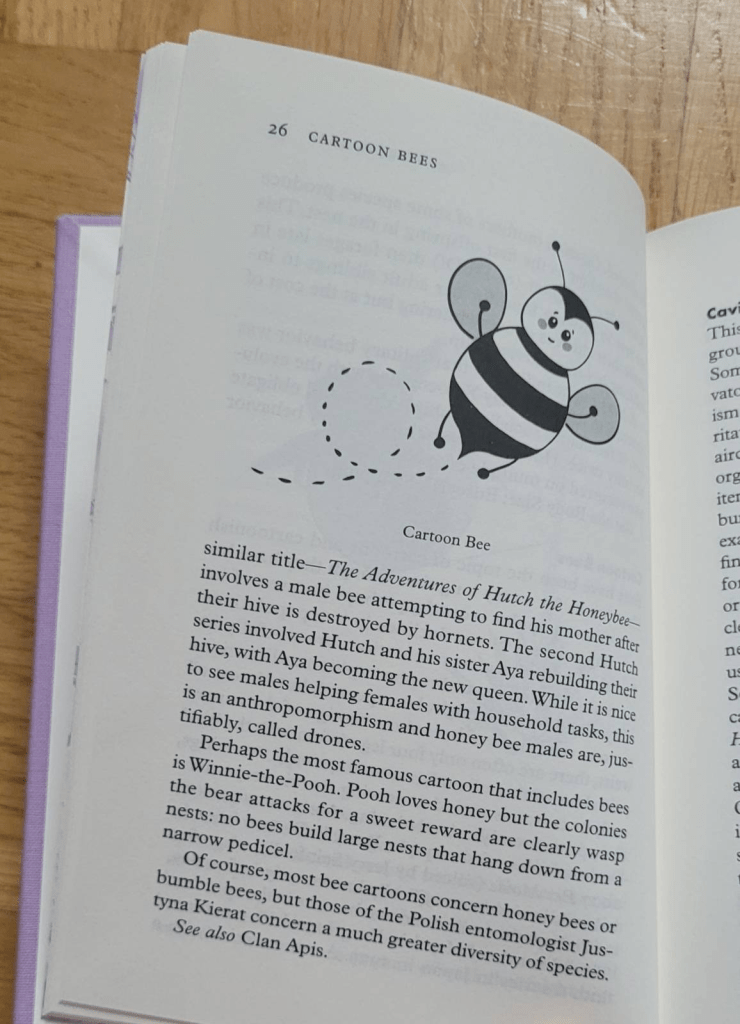
Today is my big day! Yesterday, I received Laurence Packer’s Beepedia. I plan to read it and then publish a review of it on my Polish-language blog about bees (I post there photos and longer texts in Polish, but if you would like to take a look, I hope the translator will be able to handle it). Before I had a chance to start reading the book, a friend wrote to tell me that he had found me inside (thank you, Robert!). I’m famous! That’s good motivation to post here more often.

And here’s the mention of me – in case you didn’t believe me! 😉
Anthophora bimaculata is one of the species with an exceptionally high-pitched tone produced during flight. I know only one other bee with that character – Bombus sylvarum, a bumblebee that has earned the common name “shrill carder bee”. Do you know other examples of bees buzzing like a mosquito?

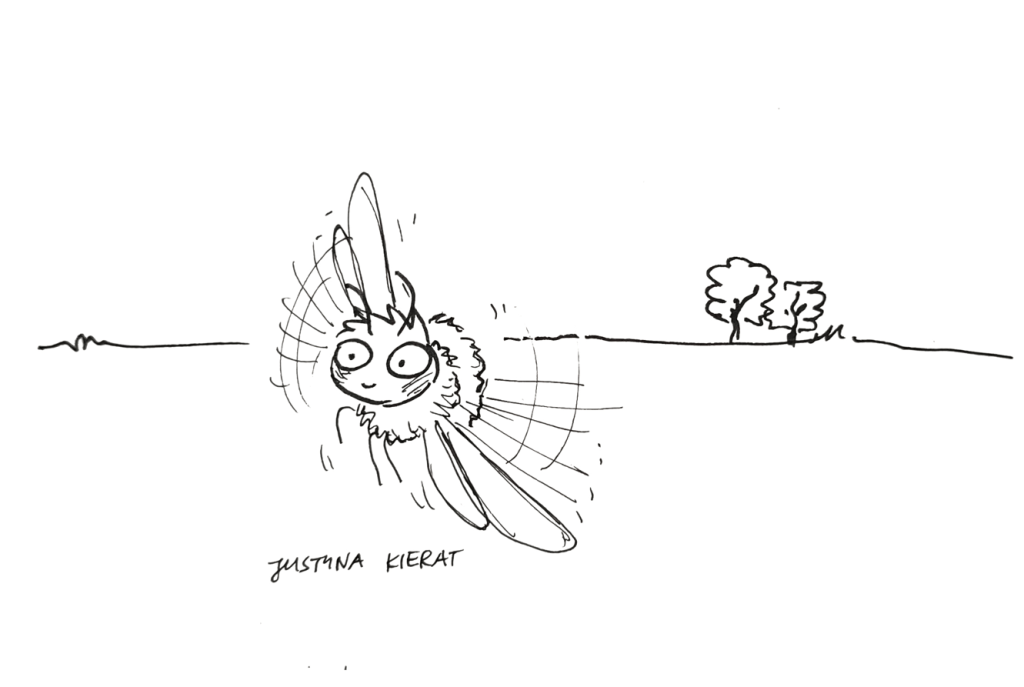
Have you seen any of these videos where a bird (eg a kestrel or a kingfisher, or even a hen) keeps its head still when flying or sitting on a moving branch? Bees also have this kind of optic stabilization. When they fly, their thorax might rotate but head keeps being oriented horizontally. Here you can find an example of studies on this topic.
My association with this topic was remote control. Well, this kind of control might be not exactly remote, as it’s about a parasite controlling behaviour of its host. Apocephalus borealis, a fly, makes its bee host into a kind of zombie. It is known to parasitize bumblebees but a paper from 2012 reported it parasitising also the honeybee.


